
Aug 13, 2026Air Treatment Solutions
Why Is an Automatic Drain Valve Important for Compressed Air Systems?
Learn how automatic drain valves remove condensate from compressed air systems, protect pneumatic equipment, and improve air system reliability.
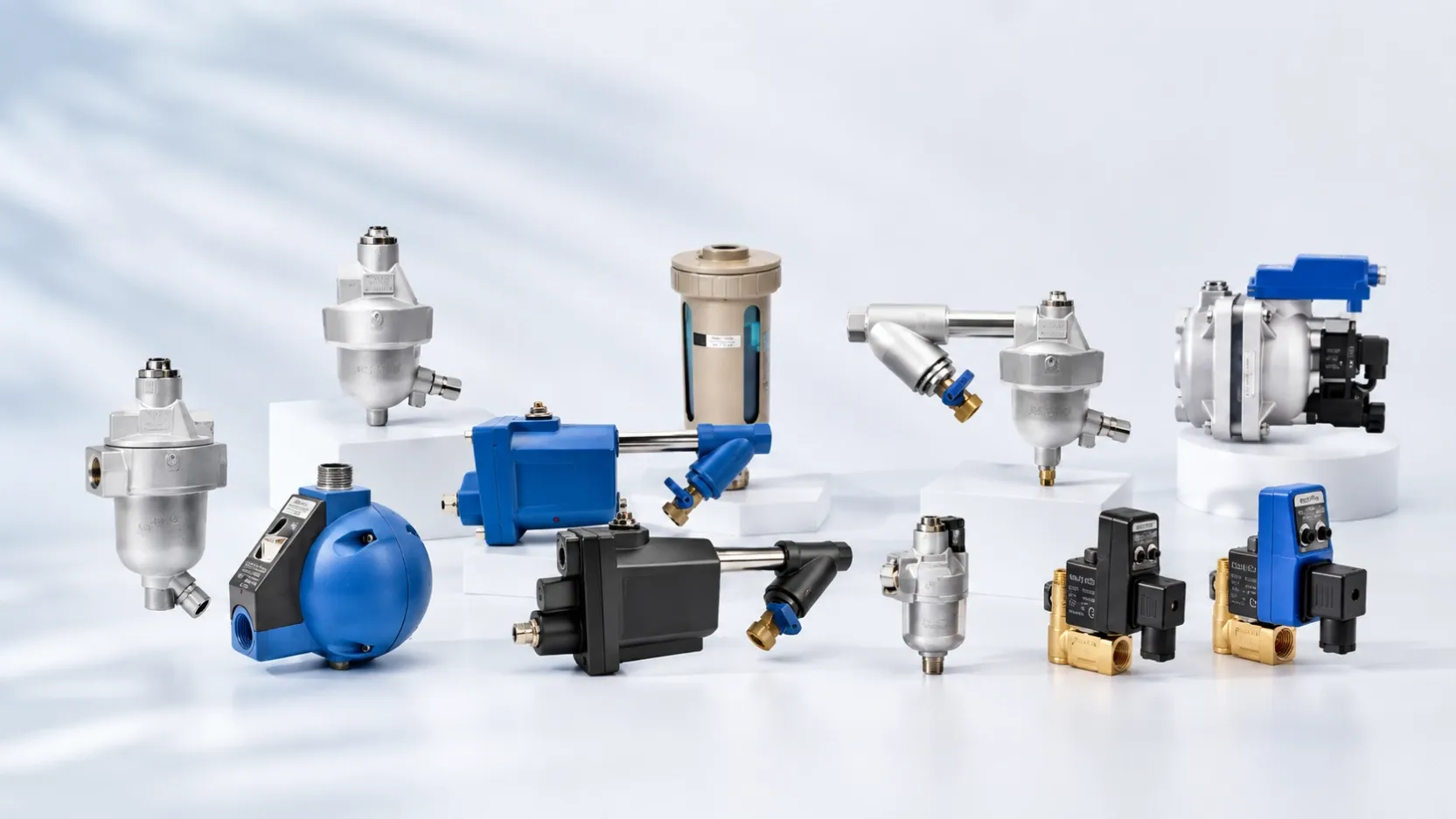
Compressed air always contains moisture because atmospheric air naturally contains water vapor. During the compression and cooling process, this moisture condenses into liquid water, known as compressed air condensate.
If condensate is not removed properly, it can accumulate inside:
- Air receiver tanks
- Air filters
- Air dryers
- Compressed air pipelines
Over time, excessive water can cause:
- Corrosion inside air systems
- Pneumatic component failure
- Reduced air quality
- Increased maintenance costs
- Production downtime
An automatic drain valve is designed to continuously remove accumulated condensate and maintain reliable compressed air system operation.
What Is an Automatic Drain Valve?
An automatic drain valve is a device that automatically removes condensed water, oil, and contaminants from compressed air systems without requiring frequent manual operation.
Compared with manual drain valves, automatic drain valves help prevent operators from forgetting regular drainage, ensuring continuous condensate removal.
They are commonly installed on:
- Air compressor tanks
- Air receivers
- Compressed air filters
- Refrigerated dryers
- Water separators
- Pipeline low points
Why Does a Compressed Air System Need an Automatic Drain Valve?
1. Prevent Water Accumulation
During compression, cooling, and air transportation, condensate continuously forms inside the system.
Without proper drainage, water may accumulate and eventually enter downstream equipment.
An automatic drain valve removes condensate before it creates problems.
2. Protect Pneumatic Equipment
Moisture in compressed air can affect:
- Solenoid valves
- Pneumatic cylinders
- Air tools
- Control components
Automatic drainage helps maintain cleaner and more reliable compressed air.
3. Reduce Manual Maintenance
Traditional manual drainage requires operators to regularly check and release water.
However, manual draining may be forgotten, especially in large factories with many air tanks and filters.
Automatic drain valves provide continuous drainage without daily operation.
Types of Automatic Drain Valves
1. Mechanical Float Drain Valve
Mechanical float drains are widely used in compressed air systems.
Advantages:
✔ No electrical connection required
✔ Automatic operation
✔ Low maintenance
✔ Long service life
Suitable for:
- Air receivers
- Filters
- Dryers
- Industrial compressed air systems
2. Electronic Timer Drain Valve
Electronic drain valves use a solenoid valve controlled by an adjustable timer.
Users can set:
- Drain interval
- Opening duration
Advantages:
✔ Adjustable drainage frequency
✔ Suitable for different operating conditions
Limitations:
- Requires electrical power
- Incorrect settings may waste compressed air
- Solenoid valves may be affected by contamination
How to Choose the Right Automatic Drain Valve?
Choosing the correct drain valve depends on several factors.
1. Working Pressure
Make sure the drain valve pressure rating matches your compressed air system.
Common industrial pressures:
- 0.8 MPa
- 1.0 MPa
- 1.6 MPa
2. Drain Capacity
Different systems produce different amounts of condensate.
Consider:
- Compressor capacity
- Operating hours
- Ambient humidity
- System size
A larger drainage capacity is required for high moisture environments.
3. Connection Size
Automatic drain valves usually use threaded connections.
Common sizes include:
- G1/4
- G3/8
- G1/2
Some models also include push-in fittings for direct tube connection.
Automatic Drain Valve + Point-of-Use Protection
An automatic drain valve removes accumulated liquid condensate from the compressed air system.
However, for sensitive equipment, additional protection may be required before air enters the machine.
A complete solution can include:
Compressor → Dryer → Filter → Automatic Drain Valve → Point-of-Use Liquid Separator → Equipment
This provides reliable protection against residual moisture reaching critical components.
Conclusion
Automatic drain valves are an essential component in compressed air systems. They help remove condensate automatically, reduce maintenance requirements, and protect downstream equipment from moisture-related problems.
By selecting the correct type, connection size, and drainage capacity, an automatic drain valve can significantly improve compressed air system reliability and efficiency.