
Aug 11, 2026Compressed Air Problems
Why Compressed Air Hose Safety Matters More Than You Think
Discover why compressed air hose safety matters in industrial applications. This guide covers common hose issues, maintenance tips, and ways to improve safety, efficiency, and system reliability.
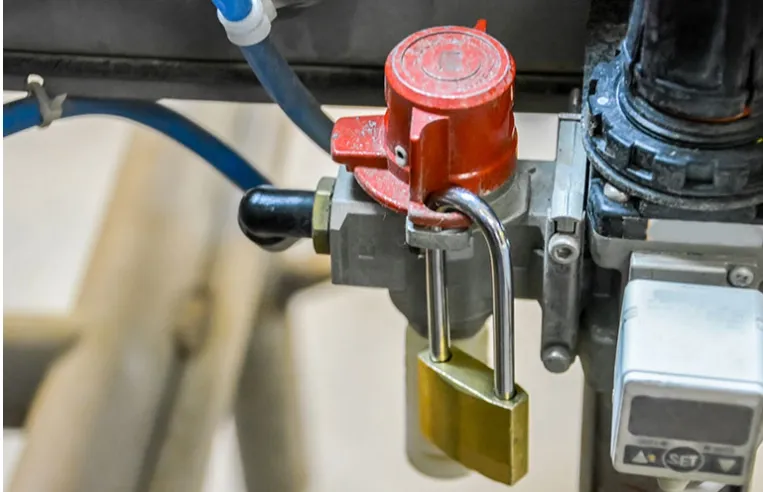
Compressed air hoses are used every day in factories around the world. They connect air compressors to pneumatic tools, automation equipment, CNC machines, packaging lines, and countless industrial applications.
Because they are such a familiar part of production, they are often overlooked. However, a damaged hose, loose fitting, or improper operating practice can quickly become a serious safety risk.
Beyond protecting workers, proper hose management also helps reduce equipment failures, minimize downtime, and extend the service life of pneumatic systems.
This article explains why compressed air hose safety matters and outlines practical steps every factory can take to build a safer and more reliable compressed air system.
1. Compressed Air Stores More Energy Than Many People Realize
Although compressed air appears harmless, it contains a significant amount of stored energy.
When a hose fails or a fitting disconnects under pressure, the sudden release of air can cause hoses to whip violently, damage nearby equipment, or injure operators. Even after the compressor is shut down, residual pressure may still remain inside hoses and pneumatic components.
Treating compressed air as a stored energy source—not simply as "air"—is the foundation of safe pneumatic operation.
2. Improper Use Can Lead to Serious Injuries
Compressed air should never be used to clean clothing or the human body.
High-pressure air can force dust, metal particles, or other debris into the skin or eyes. If air enters the body through small cuts or punctures, it may cause severe medical emergencies.
Whenever compressed air is used for cleaning equipment or workpieces, operators should wear appropriate personal protective equipment, including safety glasses and face protection.
3. Hose Condition Directly Affects Workplace Safety
Air hoses operate under pressure every day and naturally wear over time.
Regular inspections should include checking for:
- Surface cracks
- Abrasion and excessive wear
- Bulging or deformation
- Air leakage
- Loose or damaged fittings
Replacing a worn hose before failure is far less expensive than dealing with unexpected downtime or workplace accidents.
4. Secure Connections Are Just as Important as Quality Hoses
Even a high-quality hose can become dangerous if the connection is not secure.
Push-in fittings, threaded connections, and couplings should always be properly installed and inspected before pressurizing the system.
Reliable connections help prevent leaks, improve system efficiency, and significantly reduce the risk of hose separation during operation.
5. Proper Pressure Control Improves Both Safety and Efficiency
Using more air pressure than necessary does not always improve performance.
Instead, excessive pressure can:
- Increase hose stress
- Accelerate component wear
- Waste compressed air
- Raise operating costs
Installing appropriate pressure regulators allows equipment to operate safely while reducing unnecessary energy consumption.
6. Good Hose Management Prevents Everyday Accidents
Poorly managed hoses can become trip hazards or suffer unnecessary damage from vehicles, sharp edges, or repeated bending.
Simple practices such as using hose reels, overhead routing, or proper storage can:
- Improve workplace organization
- Reduce mechanical damage
- Extend hose service life
- Create a safer working environment
Good housekeeping is one of the easiest ways to improve pneumatic safety.
7. Air Quality Is Also Part of Hose Safety
Safety is not only about the hose itself.
Moisture inside compressed air can lead to corrosion, contamination, sticking pneumatic valves, and premature wear of downstream components. Over time, poor air quality increases maintenance costs and reduces overall system reliability.
For applications requiring cleaner compressed air, proper air treatment—including filtration, drainage, or point-of-use air drying—helps protect both pneumatic components and connected equipment.
Best Practices for Safer Pneumatic Systems
To improve compressed air hose safety, manufacturers should consider the following practices:
- Inspect hoses and fittings regularly.
- Replace damaged hoses immediately.
- Verify all hose connections before operation.
- Use pressure regulators to avoid excessive working pressure.
- Keep hoses organized and away from walkways.
- Wear appropriate personal protective equipment.
- Train operators on safe compressed air practices.
- Maintain clean, dry compressed air throughout the system.
Conclusion
Compressed air hose safety is not only about preventing accidents—it is also about improving equipment reliability, reducing maintenance, and protecting production efficiency.
By combining quality pneumatic components, proper operating procedures, regular inspections, and effective air treatment, manufacturers can create a safer and more dependable compressed air system.
Small improvements in daily maintenance can make a significant difference over the long term.