
Jul 29, 2026Compressed Air Problems
What Is a Point-of-Use Compressed Air Liquid Separator?
Learn what a point-of-use compressed air liquid separator is, where it is installed, how it works, and how it protects machines from residual moisture.
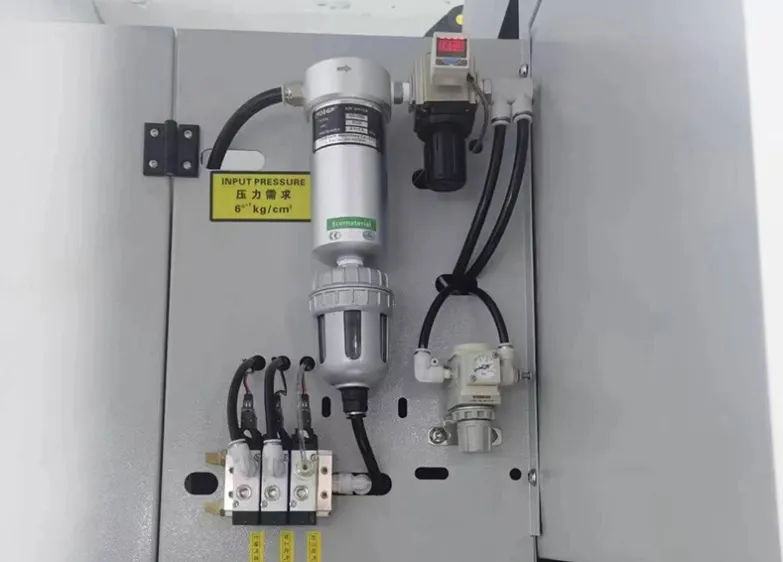
Additional Moisture Protection at the Equipment Inlet
Compressed air is widely used in industrial equipment, including CNC machines, pneumatic systems, automation equipment, laser processing systems, and precision instruments.
However, compressed air is not naturally clean and dry. During compression and distribution, it may contain:
- Water vapor
- Liquid condensate
- Oil droplets
- Solid particles
When these contaminants reach pneumatic components, they may cause:
- Valve sticking
- Cylinder malfunction
- Unstable equipment operation
- Increased maintenance requirements
- Unexpected downtime
A point-of-use compressed air separator provides an additional protection stage directly before the equipment inlet, helping remove residual water and oil droplets before compressed air reaches sensitive components.
Why Can Moisture Still Reach Equipment After Air Drying?
A properly selected central air treatment system plays an important role in compressed air quality.
However, moisture can still appear at the point of use due to conditions inside the distribution system.
Common causes include:
1. Condensation Inside Pipelines
Compressed air may cool while traveling through long pipelines.
As temperature decreases, water vapor can condense into liquid droplets and enter downstream equipment.
2. High Ambient Humidity
In humid environments, additional moisture may enter the compressed air system and increase condensation risks.
3. Distance Between Compressor Room and Equipment
The farther air travels, the greater the possibility of temperature changes and water accumulation.
4. Drainage and Pipeline Issues
Problems such as:
- Improper pipeline layout
- Low-point water accumulation
- Drain valve failure
- Insufficient maintenance
can allow moisture to reach machines.
Where Is a Point-of-Use Air Separator Installed?
Unlike centralized air treatment equipment, a point-of-use separator is installed near the actual air consumption point.
Typical installation locations include:
- CNC machine air inlet
- Pneumatic control panels
- Automation equipment
- Laser processing machines
- Packaging systems
- Sensitive valves and cylinders
- Local compressed air outlets
Typical installation:
Air Compressor
↓
Air Receiver
↓
Central Air Treatment
↓
Main Pipeline
↓
Point-of-Use Air Separator
↓
Machine / Pneumatic Components
The separator provides the final protection stage before compressed air enters the equipment.
How Does a Point-of-Use Air Separator Work?
Different air treatment technologies use different separation methods.
Some systems rely on:
- Refrigeration
- Desiccant materials
- Membrane technology
- Filter elements
ENHUI point-of-use air separators use centrifugal separation technology.
Compressed air enters the separator and passes through a specially designed flow structure that creates high-speed rotating airflow.
The centrifugal force separates heavier liquid droplets and contaminants from the airflow.
The separated liquid is collected and discharged, while cleaner compressed air continues to the downstream equipment.
Advantages include:
- No electrical power required
- No disposable filter element
- Minimal maintenance
- Compact installation
Point-of-Use Separator vs. Traditional Air Treatment Systems
| Traditional Central Dryer | Point-of-Use Air Separator |
|---|---|---|
Installation | Compressor room | Equipment side |
Main Purpose | Treat facility air supply | Final equipment protection |
Installation Distance | Usually far from machines | Close to air consumption point |
Power Requirement | Often requires electricity | No electricity required |
Maintenance | Regular service/filter replacement may be required | Minimal maintenance |
Best Application | Large centralized systems | CNC, automation and individual equipment |
Both solutions can work together.
A point-of-use separator is not designed to replace a properly selected central drying system. Instead, it provides an additional protection layer for equipment where air quality and reliability are critical.
What Equipment Can Benefit from Point-of-Use Protection?
Point-of-use air separators are commonly used for:
CNC Machine Tools
Protect pneumatic valves, cylinders and tool-changing systems from moisture-related failures.
Automation Equipment
Improve reliability of pneumatic control systems and actuators.
Laser Processing Equipment
Reduce contamination risks for sensitive pneumatic components.
CMM & Precision Equipment
Provide cleaner compressed air where stability and accuracy matter.
Packaging and Food Equipment
Help maintain reliable pneumatic operation in production environments.
Spray and Coating Equipment
Reduce moisture-related quality issues caused by compressed air contamination.
Conclusion
A point-of-use compressed air separator is a compact equipment-side protection solution designed to remove residual liquid water and oil droplets before compressed air reaches sensitive components.
While central air treatment systems provide overall compressed air quality control, moisture can still appear during distribution.
Installing a point-of-use separator at the machine inlet provides an additional protection stage to improve pneumatic reliability, reduce maintenance issues and protect critical equipment.