
Jun 26, 2026Compressed Air Problems
The Importance of Drainage in Compressed Air Systems
Effective drainage removes condensate from compressed air systems, helping prevent corrosion, reduce equipment wear, protect product quality, and improve system reliability.
The Importance of Drainage in Compressed Air Systems
Compressed air is widely used as a power source in modern industry, providing stable and efficient air supply for various types of production equipment. However, during the generation, cooling, and distribution of compressed air, moisture accumulation is a common and often overlooked problem.
Effective drainage is essential for maintaining reliable system operation, extending equipment service life, reducing maintenance costs, and protecting product quality. This article explains where moisture in compressed air systems comes from, the problems it can cause, and why proper drainage is so important. It also provides practical drainage recommendations for industrial users.
1. Where Does Moisture in Compressed Air Come From?
1.1 Water Vapor in Ambient Air
Compressed air systems draw in air from the surrounding atmosphere. Ambient air naturally contains water vapor, and the amount of moisture varies depending on temperature, humidity, and weather conditions.
When air is compressed, its volume decreases while the concentration of water vapor increases. As a result, more moisture may condense into liquid water during the compression and cooling process.
1.2 Condensation During Compression and Cooling
Air temperature rises during compression. After compression, the hot compressed air is usually cooled by an aftercooler, air receiver, dryer, or piping system.
As the temperature drops, the air’s ability to hold water vapor decreases. Once the air reaches its saturation point, excess water vapor condenses into liquid water. This is one of the main reasons why water is commonly found in compressed air systems.
1.3 Condensation in Air Piping
Even after initial cooling and water separation, compressed air may continue to cool as it travels through pipelines. Changes in ambient temperature, pressure drop, and long piping runs can cause additional condensation.
This liquid water may collect at low points in the piping system, inside air receivers, filters, valves, and pneumatic equipment.
2. Problems Caused by Moisture in Compressed Air Systems
2.1 Corrosion of Equipment and Pipelines
Moisture can accelerate corrosion of metal components, especially air receivers, pipelines, valves, fittings, and pneumatic tools. Over time, corrosion may reduce system performance, cause air leakage, increase maintenance costs, and even create safety risks.
2.2 Increased Equipment Wear
When water enters pneumatic equipment, it can mix with lubricating oil and reduce lubrication performance. This may lead to increased wear of moving parts such as bearings, gears, cylinders, and valves.
Poor lubrication can shorten equipment service life and increase the risk of unexpected downtime.
2.3 Pipeline Blockage and Contamination
Accumulated water may combine with rust, dust, oil, and other contaminants inside the system. This can form sludge or sticky deposits that restrict airflow and affect pressure stability.
In severe cases, blocked pipelines or clogged filters can reduce compressed air efficiency and interrupt production.
2.4 Reduced Product Quality
Moisture in compressed air can directly affect product quality. In industries such as food, pharmaceuticals, electronics, packaging, and precision manufacturing, water contamination may damage products, affect surface finish, or cause process instability.
For example, in painting, coating, and spraying applications, moisture can lead to defects such as bubbles, spots, uneven coating, or poor adhesion.
2.5 Microbial Growth
Moisture creates favorable conditions for microbial growth inside compressed air systems. Bacteria and microorganisms may cause odor, contamination, and hygiene concerns, especially in sensitive industries such as food, beverage, and medical production.
3. Why Proper Drainage Is Important
3.1 Ensuring Stable Equipment Operation
Timely drainage helps prevent water from accumulating in air receivers, filters, pipelines, and pneumatic equipment. This reduces corrosion, wear, and malfunction, helping the compressed air system operate more reliably.
3.2 Improving Production Efficiency
Poor drainage can lead to pressure drop, blocked pipelines, unstable airflow, and equipment failure. These problems may cause production interruptions and increase downtime.
A well-designed drainage system helps maintain stable compressed air supply and improves overall production efficiency.
3.3 Protecting Product Quality
Controlling moisture in compressed air is especially important in applications where air comes into direct or indirect contact with products.
Effective drainage helps reduce water content in the air supply and supports consistent production quality, particularly in food, pharmaceutical, electronics, spraying, and packaging processes.
3.4 Reducing Energy Consumption
Moisture and contamination can increase resistance inside the compressed air system, causing pressure loss and forcing the compressor to work harder.
By removing condensate effectively, the system can operate more efficiently, helping reduce energy consumption and operating costs.
3.5 Extending Equipment Service Life
Water is one of the main causes of corrosion and premature failure in compressed air systems. Regular and effective drainage helps protect key components and extends the service life of compressors, air receivers, filters, dryers, valves, and pneumatic equipment.
4. Practical Drainage Measures for Compressed Air Systems
4.1 Install Drainage Devices at Key Points
Drainage devices should be installed at important locations such as air receivers, filter bowls, pipeline low points, aftercoolers, and air dryers.
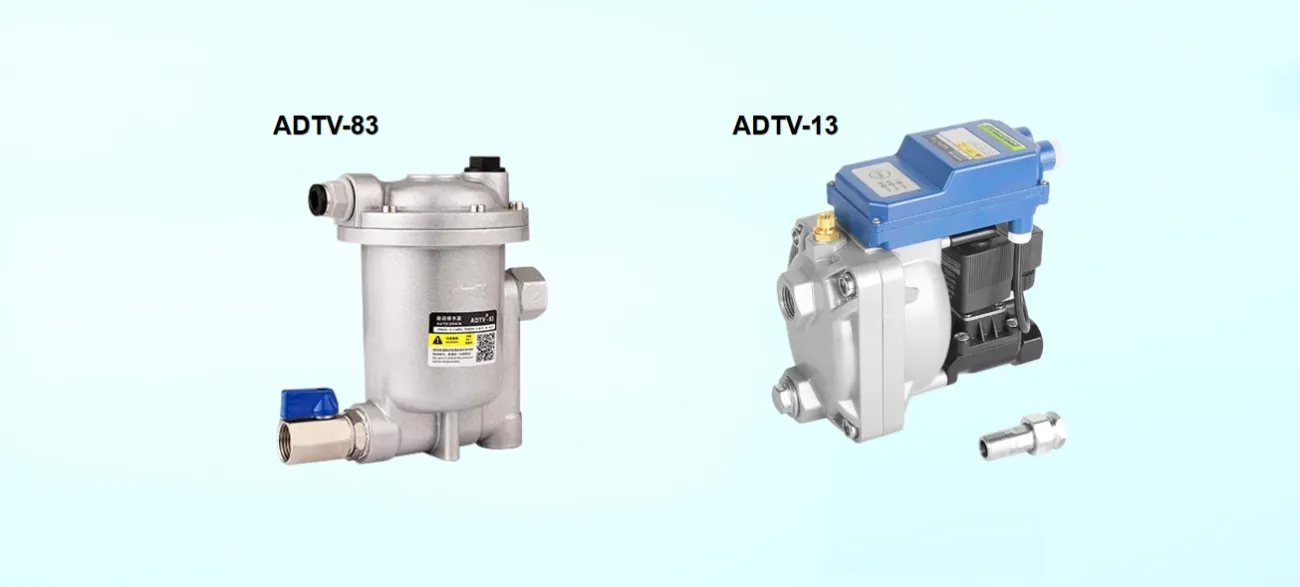
Automatic drain valves can discharge condensate without frequent manual operation, improving drainage efficiency and reducing the risk of human error.
4.2 Inspect and Maintain Drainage Devices Regularly
Drain valves and condensate lines should be checked regularly to ensure proper operation. Blocked or failed drain valves may allow water to accumulate in the system.
Routine maintenance may include cleaning drain valves, checking discharge pipes, inspecting filters, and confirming that automatic drains are working correctly.
4.3 Control the Compressed Air Dew Point
Installing refrigerated air dryers, desiccant dryers, or point-of-use air dryers can help reduce moisture in compressed air.
By lowering the dew point, these devices reduce the possibility of condensation and help provide cleaner, drier air to downstream equipment.
4.4 Optimize Pipeline Layout
A proper piping layout can help reduce condensate accumulation. Pipelines should be designed with suitable slopes, drain points, and water collection locations.
Drain valves should be installed at low points where condensate is likely to collect. Avoiding unnecessarily long, complex, or poorly arranged piping can also improve air delivery efficiency.
4.5 Use Corrosion-Resistant Materials Where Necessary
In areas exposed to frequent moisture, corrosion-resistant materials or protective coatings may be used to improve system durability.
For example, stainless steel components, treated pipelines, or anti-corrosion coatings can help reduce the impact of water on the compressed air system.
Conclusion
Moisture in compressed air systems should not be ignored. Without proper drainage, condensate can cause corrosion, equipment wear, pipeline blockage, product defects, higher energy consumption, and increased maintenance costs.
By installing suitable drainage devices, maintaining them regularly, controlling dew point, optimizing pipeline design, and using corrosion-resistant materials where needed, companies can improve compressed air reliability and protect downstream equipment.
A well-managed drainage system not only extends equipment life and reduces operating costs, but also supports stable production and consistent product quality. For industrial users, effective condensate drainage is an essential part of a reliable compressed air system.