
Jul 22, 2026Compressed Air Problems
Summer CNC Machine Maintenance: Why Heat, Humidity and Compressed Air Quality Matter
Summer CNC maintenance tips for heat, humidity, lubrication, chip cleaning, rust prevention, and compressed air quality to reduce downtime and moisture-related failures.
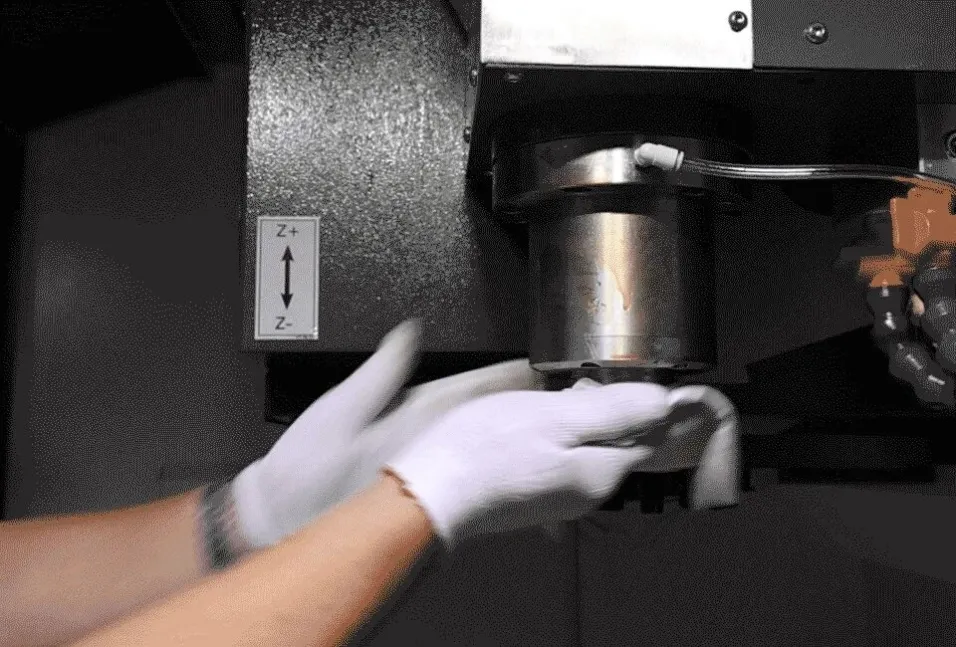
Summer is not always friendly to CNC machines.
When workshop temperature rises and humidity increases, many machine problems may appear quietly before they become serious failures. For CNC machine tools, high temperature and high humidity can affect not only the machine body, but also electrical systems, lubrication, machining accuracy, rust prevention and pneumatic components.
In many workshops, summer maintenance is often focused on cleaning chips, checking coolant and preventing overheating. These are important. But there is another factor that is sometimes overlooked:
compressed air quality at the machine side.
For CNC machines, maintenance is not only about the machine itself. It is also about the environment and the air supply around it.
Why Summer Conditions Increase CNC Maintenance Risks
CNC machine tools are precision equipment. They are sensitive to temperature, humidity, dust and air quality.
During hot weather, CNC machines may run for long hours under high load. If cooling and ventilation are not good enough, heat can accumulate around motors, electrical cabinets, cooling fans, chip conveyors and hydraulic systems.
This may lead to:
- temperature alarms
- unstable machine performance
- faster aging of electrical components
- thermal deformation
- accuracy deviation
- unexpected downtime
At the same time, high humidity brings another problem.
Moisture can cause rust on exposed metal surfaces such as the worktable, protective covers, tool turret, spindle taper and ball screws. It may also increase the risk of condensation inside electrical cabinets, especially when there is a large temperature difference between the workshop and the machine.
For machine shops, this means summer maintenance should focus on both heat control and moisture control.
Keep Cooling and Ventilation Systems Clean
Good heat dissipation is one of the first steps in summer CNC maintenance.
Dust, oil mist and metal chips can block cooling paths and reduce the efficiency of fans and heat sinks. When this happens, the machine may not be able to release heat properly.
It is useful to regularly check and clean:
- cooling fans
- heat sinks
- electrical cabinet filters
- chip conveyor motors
- cutting fluid motor cooling fins
- dust screens
- ventilation openings
Machine layout also matters. If machines are placed too close to each other, hot air may accumulate in the workshop. Proper spacing and good ventilation can help reduce the risk of overheating.
Pay Attention to Lubrication and Oil Condition
High temperature can also affect lubricating oil and hydraulic oil.
When the temperature is too high, oil viscosity may decrease, and oil life may become shorter. If lubrication is not sufficient, guideways, ball screws, bearings and other moving parts may wear faster.
For CNC machines and machining centers, this can affect positioning accuracy and long-term machine reliability.
During summer, operators should pay more attention to:
- lubrication points
- guideways
- ball screws
- bearings
- hydraulic oil condition
- cutting fluid condition
If oil or cutting fluid becomes contaminated or deteriorated, it should be replaced according to the machine manual.
Remove Chips and Heat Sources in Time
Metal chips are not only a cleaning issue. They can also retain heat, block drainage and affect machine movement.
If hot chips stay around the workpiece, worktable or tool area for too long, they may contribute to local temperature rise and thermal deformation.
Regular chip removal helps protect:
- spindle area
- worktable
- tool magazine
- protective covers
- coolant tank
- chip conveyor
This is a simple maintenance step, but it can make a real difference in keeping machining conditions stable.
Moisture and Rust Prevention Are Critical in Humid Weather
In summer, especially during rainy or coastal weather, high humidity can create many hidden risks for CNC machines.
Moisture may cause rust, dust adhesion, electrical problems or condensation. Once condensation forms inside the machine or electrical cabinet, it may lead to more serious faults.
Useful practices include:
- keeping the workshop ventilated
- avoiding air conditioner condensation dripping into electrical cabinets
- cleaning machine surfaces regularly
- applying anti-rust protection to exposed metal parts
- keeping the machine dry after operation
- checking electrical cabinets for moisture and dust
For precision equipment, moisture control is not a small detail. It directly affects machine life, stability and maintenance cost.
Do Not Ignore Compressed Air Quality
Compressed air is widely used in CNC machines.
It may be used for:
- pneumatic valves
- cylinders
- air chucks
- automatic tool changers
- spindle air seals
- tool cleaning
- machine door mechanisms
During hot and humid weather, compressed air systems may generate more condensate. Even when a factory already has a central air dryer, moisture can still appear near the machine side because of long piping, temperature changes, poor drainage or branch line accumulation.
This is why some CNC machine problems are not caused by the machine itself, but by water entering the pneumatic system.
Water in compressed air may cause:
- pneumatic valve sticking
- unstable cylinder movement
- air chuck instability
- ATC malfunction
- rust inside pneumatic components
- poor reliability of spindle air seals
- increased maintenance work
For CNC maintenance teams, checking compressed air filters, drain valves and machine-side air treatment components should be part of the regular inspection routine.
Why Point-of-Use Moisture Protection Can Help
A central dryer is important for the whole compressed air system. But in some workshops, it may not be enough to fully protect every machine.
Moisture can still form or accumulate at the equipment side, especially when the pipeline is long, the workshop temperature changes, or local drainage is not effective.
This is where point-of-use compressed air drying can be useful.
A point-of-use air dryer can be installed near the CNC machine air inlet to help remove moisture before compressed air enters sensitive pneumatic components.
It is not intended to replace the central dryer.
Instead, it works as an additional layer of protection at the machine side, especially for equipment where pneumatic reliability is important.
For CNC machines, this can be a practical way to reduce moisture-related maintenance issues and improve equipment stability.
A Practical Summer CNC Maintenance Checklist
Every CNC machine is different, so maintenance should always follow the manufacturer’s manual. But in daily operation, the following points are useful for many workshops:
- Clean chips and oil stains from the spindle area
- Clean X, Y and Z axis covers
- Check lubrication and oil condition
- Clean the worktable, tool magazine and tool contact points
- Check the spindle taper for rust or contamination
- Check cutting fluid flow, pressure and filtration
- Check compressed air pressure
- Inspect air filters and drain valves
- Check electrical cabinets for dust, heat and moisture
- Keep the machine dry, clean and well ventilated
Preventive maintenance does not need to be complicated. But it needs to be consistent.
Final Thoughts
Summer CNC maintenance is not just about reacting to machine alarms.
It is about preventing problems before they lead to downtime.
Heat control, humidity control, lubrication, chip removal, rust prevention and compressed air quality are all connected to machine reliability.
For manufacturing companies, a clean, dry and well-maintained CNC machine is not only easier to operate. It is also more stable, more accurate and less likely to stop unexpectedly.
In CNC machining, small maintenance details can protect big production value.
Preventive maintenance is always better than emergency repair.