
Jul 10, 2026Compressed Air Problems
Compressed Air in the Plastics Industry: Applications, Pressure Requirements, and Air Treatment Solutions
Learn how compressed air is used in the plastics industry, including blow molding, injection molding, and packaging. Explore pressure requirements, air quality needs, and air treatment considerations.
Introduction
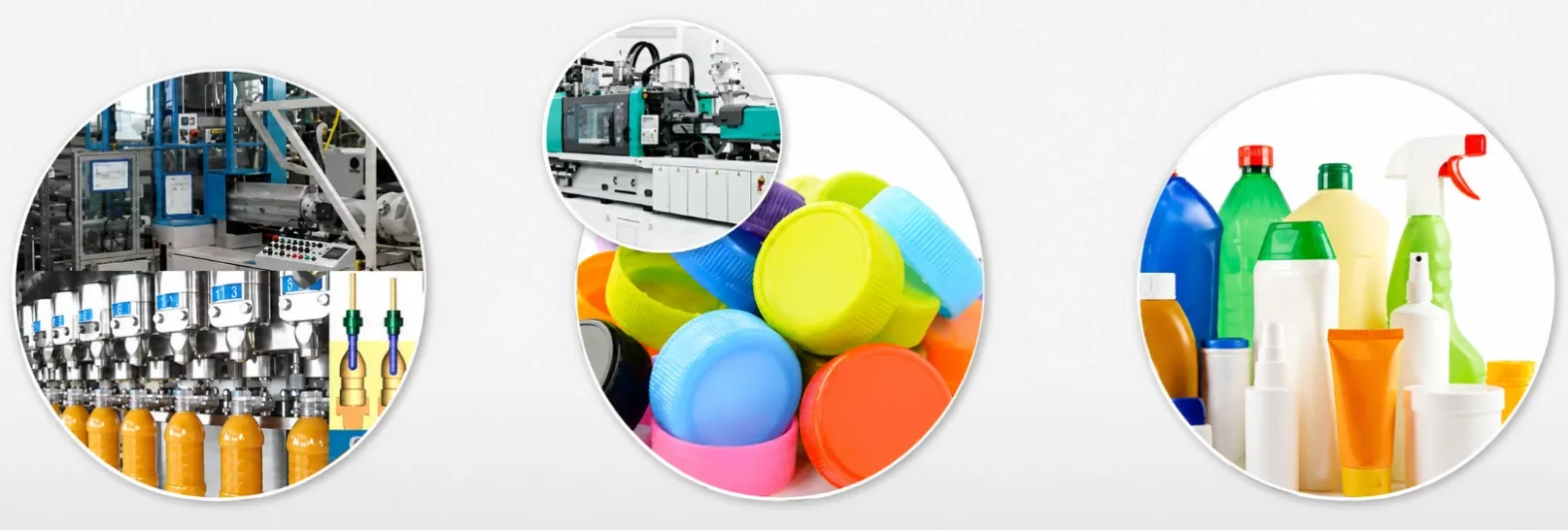
Compressed air plays an essential role in the plastics industry. From blow molding and injection molding to extrusion, thermoforming, automation, and packaging, compressed air is widely used throughout plastic manufacturing processes.
However, different plastic production processes have different requirements for air pressure, air flow, air quality, and system stability. A well-designed compressed air system can help improve production efficiency, product quality, energy performance, and equipment reliability.
For plastics manufacturers, compressed air should not be viewed only as a power source. It is part of the production process itself. The right compressed air system must provide stable pressure, sufficient flow, clean air, and reliable moisture control.
This article explains the main applications of compressed air in the plastics industry, typical pressure requirements, and key factors to consider when designing compressed air networks and compressed air stations for plastic manufacturing.
1. Why Compressed Air Is Important in Plastic Manufacturing
Plastic manufacturing often involves continuous production, high-speed machinery, molds, pneumatic controls, cooling systems, and packaging equipment. Compressed air supports many of these processes.
It may be used for:
- Forming plastic bottles and containers
- Injecting or assisting material movement
- Driving pneumatic cylinders and valves
- Operating automation systems
- Supporting extrusion and thermoforming processes
- Cleaning molds and surfaces
- Controlling packaging equipment
- Supplying air to machine-side pneumatic components
In many production lines, compressed air quality and pressure stability can directly affect product consistency, machine operation, and production efficiency.
If compressed air is unstable, wet, oily, or contaminated, it may cause problems such as poor product forming, mold contamination, pneumatic component failure, higher maintenance cost, and production downtime.
2. Main Compressed Air Applications in the Plastics Industry
Different plastic manufacturing processes use compressed air in different ways. Understanding these applications helps factories select the right compressor, air treatment equipment, piping system, and pressure range.
Blow Molding
Blow molding is one of the most common compressed air applications in the plastics industry. It is widely used to produce plastic bottles, containers, and packaging products for industrial, pharmaceutical, cosmetic, household, food, and beverage applications.
In this process, compressed air is used to expand heated plastic material inside a mold until it takes the desired shape.
Blow molding often requires high-pressure compressed air, especially in PET bottle production. Stable pressure and clean air are important for maintaining bottle shape, wall thickness, and production consistency.
Injection Molding
Injection molding is used to manufacture a wide range of plastic parts and products. Compressed air may be used in pneumatic controls, auxiliary equipment, mold operation, part ejection, and automation around the injection molding machine.
Medium-pressure compressed air is commonly used in many injection molding operations. Screw compressors are often suitable for this pressure range, depending on the system design and production requirements.
Clean and dry compressed air helps protect pneumatic valves, cylinders, sensors, and mold-related equipment.
Profile Extrusion
Profile extrusion is used to produce plastic pipes, profiles, strips, and other continuous products. Compressed air may be used in shaping, cooling, cutting, conveying, and pneumatic control systems.
This process usually requires low to medium compressed air pressure, depending on the application and equipment design.
Stable air supply helps maintain process consistency and reduces interruptions caused by pneumatic system instability.
Film Extrusion
Film extrusion is used to produce flexible packaging materials, films, bags, and related plastic products. Compressed air may support film control, equipment actuation, cooling assistance, and packaging operations.
Low to medium compressed air pressure is commonly used.
Because film products are often thin and sensitive to process changes, stable compressed air supply and reliable pneumatic components are important for continuous production.
Thermoforming
Thermoforming uses heated plastic sheets or films to form packaging trays, containers, covers, and other products. Compressed air may be used to assist forming, pneumatic movement, product release, and automation.
This process often uses lower air pressure compared with high-pressure blow molding.
Even at lower pressure, clean and dry compressed air is important because moisture and contaminants may affect pneumatic components and production reliability.
Automation and Packaging Equipment
In plastic factories, compressed air is also widely used in automation systems, robotic handling, conveyor controls, packaging machines, cutting devices, labeling equipment, and pneumatic actuators.
These applications may not require very high pressure, but they require stable, clean, and dry air to keep equipment running smoothly.
3. Typical Pressure Requirements in Plastic Production
Plastic manufacturing processes may require different pressure levels. Understanding these pressure ranges is important when selecting compressors and designing air networks.
High-Pressure Applications
High-pressure compressed air is commonly required in PET bottle blow molding and certain container production processes.
These applications may require pressure above 300 psi. Standard screw compressors are usually not enough for this range, so booster compressors or dedicated high-pressure systems may be needed.
High-pressure systems require careful design because pressure stability, safety, cooling, drying, and filtration all become more important.
Medium-Pressure Applications
Medium-pressure compressed air is commonly used in injection molding and some auxiliary production processes.
A typical pressure level may be around 145 psi, although the actual requirement depends on the equipment and production process.
Standard screw compressors are often suitable for this range.
Low-Pressure Applications
Many automation systems and general plastic manufacturing processes use lower compressed air pressure, often around 100–125 psi.
These applications may include pneumatic cylinders, valves, conveyors, packaging machines, and machine-side equipment.
Although the pressure requirement is lower, the air still needs to be clean, dry, and stable to protect pneumatic components and maintain production reliability.
4. Why Air Quality Matters in the Plastics Industry
Air pressure and flow are important, but air quality should not be ignored.
Compressed air may contain moisture, oil aerosols, dust, rust, and other contaminants. These contaminants can affect both equipment and products.
Moisture Problems
Moisture is one of the most common problems in compressed air systems. When compressed air cools down in pipelines, water vapor can condense into liquid water.
Moisture may cause:
- Corrosion in pipelines
- Pneumatic valve sticking
- Cylinder instability
- Mold contamination
- Poor equipment reliability
- Increased maintenance cost
- Product quality issues in sensitive applications
Oil and Particle Contamination
Oil aerosols and solid particles may come from compressors, ambient air, old pipelines, or poorly maintained filters.
These contaminants may affect pneumatic equipment, sensors, molds, and product surfaces. In packaging or consumer product applications, cleaner air may be required to reduce contamination risk.
Unstable Pressure
Pressure fluctuation may affect forming quality, automation movement, and machine cycle stability.
In processes such as blow molding, unstable air pressure can affect product shape, thickness, and consistency.
For these reasons, compressed air treatment is an important part of plastic manufacturing system design.
5. Key Components of a Compressed Air System for Plastic Manufacturing
A compressed air system for the plastics industry usually includes more than one piece of equipment. It should be designed as a complete system.
Air Compressor
The compressor is the source of compressed air. The type of compressor depends on the required pressure, flow, duty cycle, and process requirements.
Screw compressors are commonly used for general low and medium-pressure applications. Booster compressors may be required for high-pressure blow molding applications.
Air Receiver Tank
An air receiver tank stores compressed air and helps stabilize pressure. It also provides reserve capacity during peak air demand.
In plastic production, an air receiver can help reduce pressure fluctuation and support stable machine operation.
Piping Network
The piping system distributes compressed air from the compressor station to production equipment.
For high-pressure applications, proper piping material, diameter, layout, and safety rating are essential. Aluminum alloy piping with suitable diameter may be used in many compressed air networks, but the final design should always match the pressure, flow, and safety requirements of the plant.
A well-designed piping network helps reduce pressure loss and improve system efficiency.
Air Dryer
Air dryers help remove moisture from compressed air. Depending on the required dew point and process conditions, plastic factories may use refrigerated dryers, desiccant dryers, membrane dryers, or local point-of-use dryers.
Dry air helps protect pneumatic components, molds, and downstream equipment.
Filters
Filters remove particles, oil aerosols, and other contaminants. Different filtration levels may be required at different points in the system.
Proper filtration helps protect dryers, valves, cylinders, tools, and production equipment.
Drain Valves
Drain valves remove condensate from air receivers, filters, dryers, and pipelines.
If drain valves fail, water can accumulate and move downstream, causing moisture-related problems in the production line.
Point-of-Use Air Treatment
Even if a central air treatment system is installed, moisture or contamination may still appear near the equipment side due to long pipelines, temperature changes, or local conditions.
Point-of-use air treatment equipment can be installed close to the machine inlet to provide additional protection before compressed air enters critical equipment.
This is especially useful for:
- Blow molding machines
- Injection molding machines
- Packaging machines
- Pneumatic valve stations
- Automation lines
- Equipment with frequent moisture problems
Point-of-use treatment works as a supporting solution and can complement central dryers and filters.
6. Designing a High-Pressure Compressed Air Network
High-pressure applications, such as PET bottle blow molding, require special attention during system design.
Important considerations include:
Correct Pressure Rating
All pipes, fittings, tanks, valves, filters, and other components must be suitable for the required pressure range.
Safety should always be the first priority in high-pressure compressed air networks.
Proper Pipe Diameter
The pipe diameter should be selected according to pressure, flow, distance, and allowable pressure drop.
Incorrect pipe sizing can cause pressure loss, unstable machine performance, and higher energy consumption.
Air Storage Capacity
Air receiver tanks are important for stabilizing supply during peak demand. This is especially useful when blow molding machines have high intermittent air consumption.
Air Treatment Placement
Filtration and drying equipment should be placed correctly to protect both the main system and the machine side.
For sensitive processes, additional local treatment may be required near the equipment.
Condensate Management
High-pressure air systems also need reliable condensate removal. Moisture accumulation may affect air quality, corrosion, and equipment reliability.
7. Factors to Consider When Designing a Compressed Air Station
When designing a compressed air station for a plastic manufacturing facility, several key factors should be considered.
Factory Type
The design will be different for a new factory and an existing factory expansion.
A new factory allows better planning of compressor capacity, piping layout, air treatment equipment, and future expansion. An existing plant may require retrofit solutions and careful evaluation of current system limitations.
Product Type
Different plastic products require different processes and pressure levels.
For example, PET bottle production may require high-pressure air, while packaging automation may only need low or medium pressure.
The compressed air system should be designed according to the actual product and process requirements.
Air Quality Requirement
The required air quality depends on the final plastic product and application.
For general industrial parts, the air quality requirement may be different from food packaging, pharmaceutical packaging, cosmetics packaging, or medical plastic components.
Factories should consider consumer safety, hygiene requirements, product surface quality, and customer standards.
Long-Term Planning
A compressed air station should not only meet today’s production needs. It should also consider future expansion, new machines, higher production capacity, and possible quality upgrades.
Long-term planning can help avoid repeated system modification and unnecessary cost.
Energy Cost
Compressed air is one of the most energy-intensive utilities in many factories. Energy consumption can strongly affect production cost.
System design should consider compressor efficiency, pressure drop, air leaks, dryer efficiency, drain loss, and correct equipment sizing.
Improving compressed air system efficiency can help reduce long-term operating cost.
8. Benefits of a Well-Designed Compressed Air System
For plastic manufacturers, a properly designed compressed air system can provide several benefits.
Better Product Consistency
Stable pressure and clean air help support consistent blow molding, forming, injection, extrusion, and packaging processes.
Higher Equipment Reliability
Dry and clean compressed air helps reduce pneumatic component failure, valve problems, and corrosion.
Lower Maintenance Cost
Proper air treatment and drainage can reduce unplanned repairs and extend the service life of equipment.
Improved Energy Efficiency
Correct system design helps reduce pressure loss, air leakage, and unnecessary energy consumption.
Greater Production Stability
Reliable compressed air supply supports continuous production and reduces downtime risk.
Better Support for Future Expansion
A well-planned compressed air station can be easier to upgrade when production capacity increases.
Conclusion
Compressed air is essential in the plastics industry. It supports many important processes, including blow molding, injection molding, extrusion, thermoforming, automation, and packaging.
Different processes require different pressure levels. High-pressure applications such as PET bottle blow molding may require dedicated booster systems, while injection molding and automation processes often use medium or low-pressure compressed air.
However, pressure is only one part of the system. Air quality, moisture control, filtration, condensate drainage, piping design, storage capacity, energy efficiency, and future expansion should all be considered.
For plastic manufacturers, a good compressed air system is not simply about supplying air. It is about providing clean, dry, stable, and efficient compressed air for production.
A complete air treatment strategy, including central drying and filtration as well as point-of-use protection where needed, can help improve product quality, protect equipment, reduce maintenance cost, and support stable plastic manufacturing operations.