
Aug 20, 2026Compressed Air Problems
Compressed Air Auto Drain Problems: A Practical Troubleshooting Guide
Automatic drains are small but critical. Learn how blockage, backpressure, faulty sensors and poor settings return condensate to the air line.
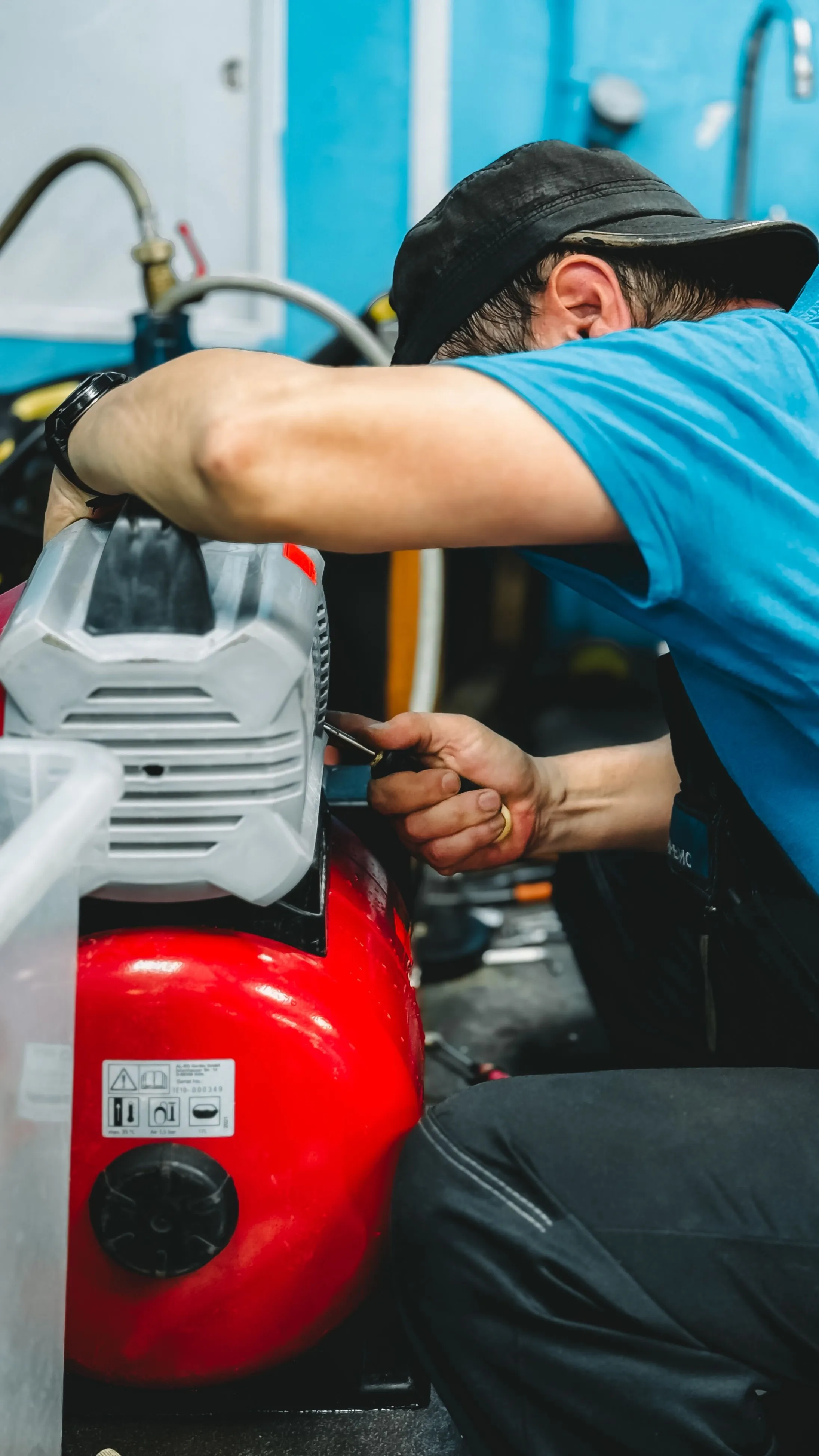
Automatic condensate drains are small components with a major job. Learn why they fail, how to test them and where drains should be installed.
A compressed air system can have a correctly sized aftercooler, separator and dryer—and still send water into production because of one failed drain.
Condensate drains are often treated as minor accessories. In reality, they are responsible for removing every litre of water separated from the compressed air.
When a drain fails closed, liquid accumulates until it is carried back into the airflow. When it fails open, it wastes compressed air and may prevent the system from maintaining pressure.
Where Are Drains Required?
Potential condensate collection points include:
- Aftercooler separators
- Wet air receivers
- Refrigerated dryer separators
- Coalescing filters
- Dry receivers
- Pipe low points
- Drip legs
A drain should be installed at each location where liquid can accumulate. Draining only the receiver does not protect the rest of the system.
Common Drain Failure Modes
Blockage
Rust, pipe scale, oil sludge and dirt can block small drain openings or strainers.
A drain may still make a clicking sound while discharging little or no water. The only reliable test is to observe the actual discharge.
Excessive Backpressure
A long, undersized or elevated discharge pipe can prevent the drain from emptying properly.
Connecting several drain outlets incorrectly to the same header can also allow pressure or condensate from one device to interfere with another.
Stuck Float or Sensor
Mechanical floats can become contaminated. Electronic level sensors may fail to detect condensate if their sensing surfaces are coated with oil or debris.
Solenoid Failure
Timed drains rely on a solenoid valve. The coil, timer or valve mechanism may fail even though the rest of the compressed air equipment operates normally.
Incorrect Timer Settings
If the drain opens too briefly or too infrequently, condensate remains in the vessel. If it opens for too long, compressed air is wasted after the water has been discharged.
Timer settings may also need adjustment when weather or compressor loading changes.
Main Types of Automatic Drains
Timed solenoid drains open at fixed intervals. They are simple and inexpensive but may waste air because they operate whether water is present or not.
Float-operated drains respond to the liquid level. They can work without electricity but may be sensitive to contamination.
Electronic level-sensing or zero-loss drains discharge only when condensate reaches a defined level. They reduce air loss but require correct installation and periodic testing.
No drain design is maintenance-free.
A Practical Inspection Routine
During inspection:
- Isolate and depressurize the equipment according to the manufacturer’s procedure.
- Check the drain inlet and strainer for contamination.
- Confirm that the outlet pipe is unobstructed.
- Operate the test function, if provided.
- Observe whether water actually leaves the drain.
- Check for continuous air leakage after discharge.
- Inspect electrical connections and alarms.
- Record abnormal condensate quantities.
A sudden increase in condensate may indicate high humidity or increased compressor loading. It can also show that a dryer or upstream separator is no longer performing correctly.
Drip-leg drains are particularly useful as warning points. A normally dry drip leg that suddenly begins collecting water should trigger an inspection of the dryer and upstream drains.
Do Not Ignore Condensate Disposal
Compressor condensate may contain lubricating oil and other contaminants. It should not automatically be discharged onto the floor, outdoors or into a surface-water drain.
Local environmental requirements and the compressor manufacturer’s recommendations should determine whether condensate treatment, such as an oil-water separator, is required.
The automatic drain is a small part of the system, but it connects moisture separation with actual moisture removal. If the drain does not work, the separator or dryer cannot complete its job.