
CNC Machine Maintenance Checklist: How to Reduce Downtime
A practical CNC machine maintenance checklist covering cleaning, lubrication, coolant, electrical systems and compressed air quality to reduce downtime and prevent failures.
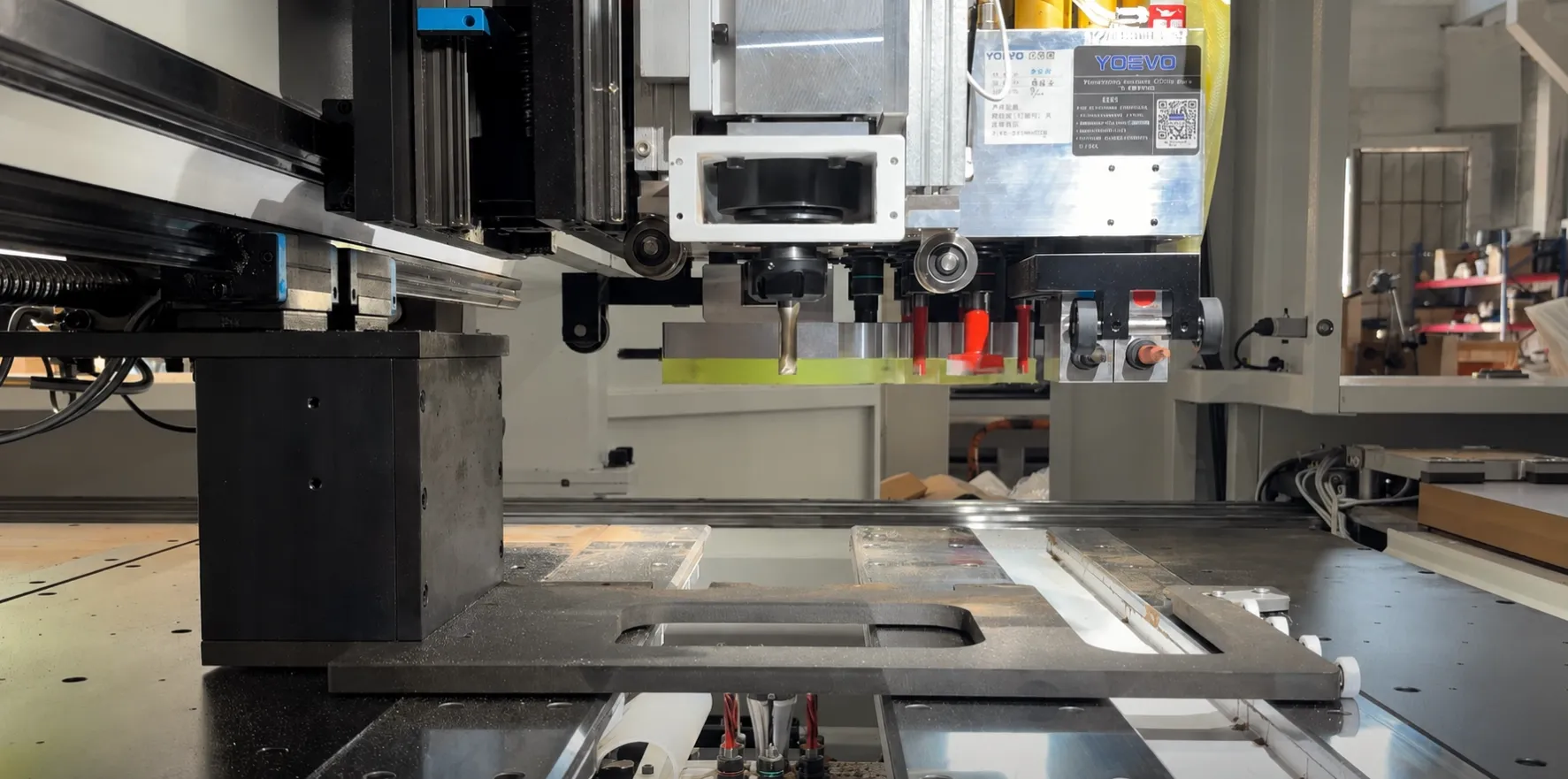
Regular CNC machine maintenance helps prevent unexpected failures, maintain machining accuracy and extend equipment life. A complete maintenance plan should cover mechanical components, lubrication, coolant, electrical systems and compressed air quality.
This practical checklist applies to CNC machining centers, lathes, routers and cutting machines. Always follow the maintenance requirements provided by the machine manufacturer.
Why Is CNC Preventive Maintenance Important?
Small problems can gradually develop into costly downtime. Chips may damage moving components, poor lubrication may accelerate wear, blocked cabinet filters may cause overheating, and contaminated compressed air may affect valves and cylinders.
A structured CNC preventive maintenance program can help:
- Reduce unexpected downtime
- Maintain machining accuracy
- Extend component service life
- Improve production reliability
- Reduce repair and after-sales costs
Daily CNC Machine Maintenance
- Remove chips and production debris
- Check coolant and lubrication levels
- Inspect the machine for air, oil or coolant leaks
- Check pressure gauges and alarm messages
- Listen for unusual noise or vibration
- Inspect doors, guards and safety devices
- Look for visible water at the compressed air inlet
Avoid blowing chips toward bearings, seals, sensors or electrical components. High-pressure air may push contamination deeper into the machine.
Weekly and Monthly Maintenance
Lubrication system
Check the lubricant level, hoses and delivery points. A full reservoir does not always mean lubricant is reaching every component. Blocked lines can cause guideway wear, abnormal noise and positioning errors.
Spindle and tool changer
Keep spindle tapers, tool holders, tool pockets and grippers clean. Inspect the automatic tool changer if you notice slow movement, difficult tool release or repeated tool-change alarms.
Coolant system
Check coolant level, concentration, filters, screens and pump operation. Remove chips, sludge and tramp oil before they affect tool life or machining quality.
Electrical cabinet
Clean cabinet intake filters and confirm that cooling fans are operating correctly. Dust and poor ventilation can increase cabinet temperature and cause drive or control failures.
Pneumatic components
Inspect regulators, hoses, fittings, solenoid valves and cylinders. Air leaks, unstable pressure and liquid contamination may affect clamping, tool changing, automatic doors and other pneumatic functions.
Check the Compressed Air Entering the CNC Machine
CNC machines commonly use compressed air for:
- Automatic tool changing
- Pneumatic clamping
- Spindle air sealing
- Air blow and cleaning
- Automatic doors
- Valve and cylinder operation
The incoming air may contain liquid water, oil droplets, rust or pipe scale. These contaminants can cause sticking valves, irregular cylinder movement, corrosion and unreliable machine operation.
Even when a central air dryer is installed, liquid water may still reach the machine because of:
- Long compressed air pipelines
- Additional cooling and condensation downstream
- Seasonal temperature changes
- Failed or blocked automatic drains
- Water accumulated at low points in the pipework
- Insufficient dryer capacity or maintenance
For this reason, compressed air quality should be checked at the actual machine inlet—not only in the compressor room.
Common CNC Problems and Maintenance Checks
| Problem | Possible Cause | What to Check |
|---|---|---|
| Tool-change failure | Low pressure, wet air or contamination | Air supply, valves, sensors and tool changer |
| Irregular cylinder movement | Air leak, pressure variation or contamination | Regulators, tubing, fittings and valves |
| Poor machining accuracy | Tool wear, backlash or insufficient lubrication | Tooling, guideways, couplings and lubrication |
| Electrical overheating | Blocked filters or failed fans | Electrical cabinet ventilation |
| Frequent water in the FRL | Downstream condensation or drainage problem | Dryer, drains, pipelines and machine inlet |
When Is Point-of-Use Air Protection Needed?
A point-of-use liquid separator may provide additional protection when:
- Water occasionally reaches a CNC machine
- The machine is far from the compressor room
- One machine requires additional protection
- The central treatment system cannot be upgraded immediately
- A machine manufacturer wants to reduce pneumatic-related failures
A point-of-use separator removes liquid droplets close to the equipment inlet. It does not remove water vapor or replace a properly selected central air dryer.
Conclusion
Effective CNC machine maintenance should cover cleaning, lubrication, tooling, coolant, electrical systems and compressed air quality. Regular inspection helps identify small problems before they become costly failures.
ENHUI point-of-use compressed air liquid separators remove residual liquid water, oil droplets and particulates before compressed air enters sensitive CNC pneumatic components. They require no electricity or conventional filter-element replacement and can be integrated into new or existing machines.
Learn more about point-of-use compressed air protection for CNC machines
Frequently Asked Questions
How often should a CNC machine be maintained?
Basic cleaning and inspection should be completed daily. Lubrication, coolant, pneumatic and mechanical systems should be checked weekly or monthly according to the manufacturer’s maintenance schedule.
Why is compressed air important for CNC machines?
Compressed air operates tool changers, clamps, air seals, automatic doors, valves and cylinders. Low pressure or contaminated air can make these functions unreliable.
Why is there water at the CNC machine after an air dryer?
Water may form when compressed air cools inside long downstream pipelines. Failed drains, insufficient dryer capacity and condensate collected in low pipe sections can also allow liquid water to reach the machine.